

How long do fillers last? That is the most common question patients bring to consultation, and the honest answer is that no single number applies. Filler longevity depends on at least four interacting variables: the chemistry of the product, the anatomical area treated, your individual metabolism, and lifestyle factors that accelerate or slow breakdown. A hyaluronic acid filler placed in the lips may behave very differently than the same product placed in the chin, and a collagen stimulator like Sculptra follows an entirely different timeline because it works through a different biological mechanism altogether.
Many patients arrive with a number they found online, often something like “6 to 12 months,” and assume it is universal. In practice, the range is wider and more nuanced. Some hyaluronic acid fillers in low-movement areas like the chin or jawline can remain visible for 12 to 18 months or longer. Collagen-stimulating products may produce improvements that persist well beyond the 12-month mark because they trigger your own tissue to rebuild rather than simply depositing a gel that gradually degrades. Emerging MRI research has even documented hyaluronic acid filler present months and, in some cases, years after injection, which challenges older assumptions about how quickly filler disappears.
This is why Fahimeh approaches the longevity question individually. Your first consultation at FAH Signature Clinique should feel more like a diagnostic conversation than a sales appointment, where the goal is to understand your anatomy, your goals, and which product and placement are most likely to give you a result that lasts in a way that looks natural on your face. For a broader overview of how injectables are assessed across the whole face, our guide on dermal fillers and neurotoxins explains how different treatment areas are evaluated together rather than in isolation.
Why Filler Longevity Varies More Than You Think
Two patients can receive the same product in the same area and experience dramatically different timelines. That is not a failure of the product. It reflects the fact that filler longevity is determined by a convergence of product design, tissue behavior, and biological individuality that no two faces share exactly.
At the product level, the key variable is how the filler interacts with your tissue over time. Hyaluronic acid gels provide immediate volume that the body gradually metabolizes through enzymatic processes. Collagen stimulators like Sculptra and Radiesse take a different path: they provide an initial scaffold, then trigger your own fibroblasts to produce new collagen, which extends the result well beyond the lifespan of the material itself. These two mechanisms produce fundamentally different longevity profiles, and understanding that distinction is the foundation for setting expectations that match reality.
At the tissue level, the treatment area matters as much as the product. Areas with high muscle activity, like the lips, break down filler faster through mechanical compression and increased local blood flow. Deeper, more static areas like the cheek or chin provide a stable environment where the same product can persist significantly longer. And at the individual level, your metabolic rate, the concentration of naturally occurring hyaluronidase in your tissue, and lifestyle factors like exercise intensity and sun exposure all influence how quickly your body processes the product.
This is also why fixed timelines found online can be misleading. A patient who reads “fillers last 6 to 12 months” may assume their result is fading at month seven, when in reality the product may still be providing structural support that is not yet visible to the naked eye. Fahimeh is deliberately selective because treating based on a calendar rather than on clinical assessment is one of the fastest ways to create an overdone result. Residual product from previous treatments accumulates, and the most sophisticated maintenance plans are built on observation, not scheduling.
Longevity by Product Type: HA, Sculptra, Radiesse and More
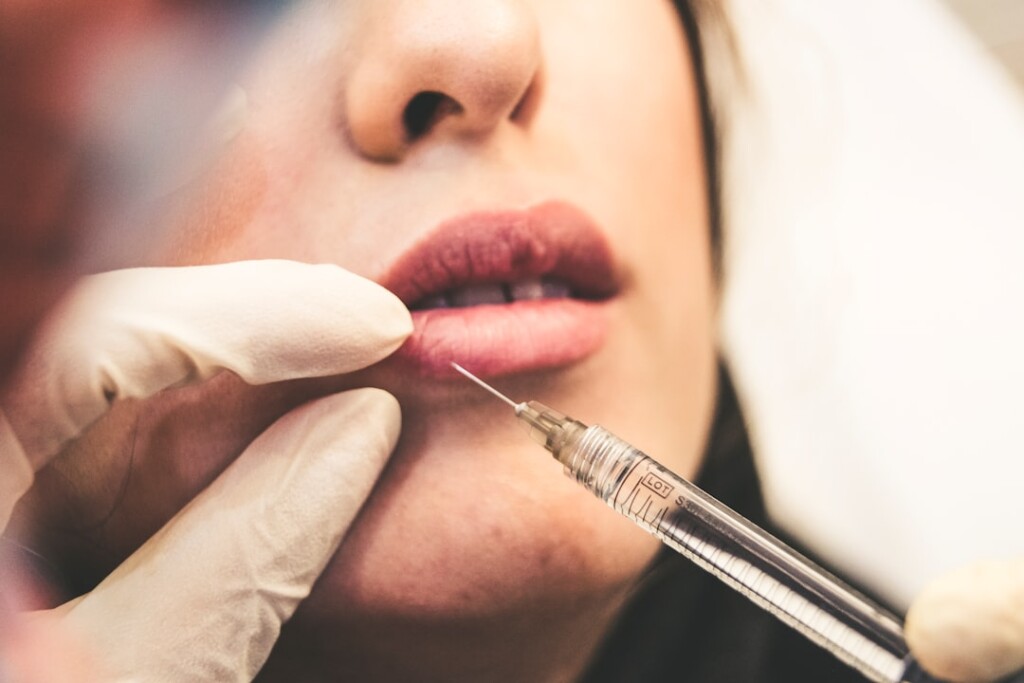
Filler longevity is fundamentally tied to how each product works beneath the skin. The three main categories used in clinical practice differ not only in how long they last but in how they achieve their result, which has direct implications for treatment planning, maintenance, and safety.
Hyaluronic Acid Fillers
Hyaluronic acid (HA) is the most widely used and most extensively studied filler category. It is a substance naturally present in your skin, joints, and connective tissue, which gives it a strong safety profile and the advantage of being reversible with hyaluronidase if adjustment is needed. Most first-time filler patients are treated with an HA product, and the majority of facial areas can be addressed with this category.
Within the HA family, longevity is influenced by cross-linking density. Cross-linking is the chemical process that binds HA molecules together into a stable gel. A higher degree of cross-linking creates a firmer, more cohesive product that resists enzymatic breakdown by naturally occurring hyaluronidase in your tissue. This is why a highly cross-linked filler designed for structural support in the chin or jawline may last 12 to 18 months, while a softer, less cross-linked filler chosen for fine lip lines or superficial hydration may break down in 6 to 9 months. The tradeoff is deliberate: softer products integrate more naturally into delicate, mobile tissue, but they sacrifice some durability.
Sculptra (Poly-L-Lactic Acid)
Sculptra works differently from HA fillers. Its active ingredient, poly-L-lactic acid (PLLA), is a biocompatible synthetic polymer that stimulates fibroplasia, the process by which your fibroblasts produce new collagen around the injected particles. Rather than adding immediate volume that slowly dissolves, Sculptra builds a collagen scaffold over several weeks to months.
This mechanism has two important implications for longevity. First, the result is not visible immediately. Patients typically see gradual improvement over 6 to 12 weeks as collagen production progresses, usually following a series of treatment sessions spaced several weeks apart. Second, because the improvement comes from your own collagen rather than a foreign gel, results can last considerably longer. Clinical studies have reported visible improvement up to 24 months and beyond, with some evidence suggesting collagen remodeling can persist even longer in selected patients.
Sculptra is most commonly used for broader volumetric restoration rather than fine detail work. It suits patients who have experienced diffuse volume loss across the cheeks or temples, and it is not appropriate for lip enhancement or precise contouring of small, delicate areas like the tear trough.
Radiesse (Calcium Hydroxylapatite)
Radiesse occupies a middle ground between HA fillers and pure collagen stimulators. Its active ingredient, calcium hydroxylapatite (CaHA), consists of microspheres suspended in a gel carrier. The gel provides immediate volume, while the CaHA microspheres act as a scaffold that stimulates collagen production over time.
This dual mechanism means Radiesse offers both immediate correction and longer-lasting structural support than a standard HA gel. Clinical reports typically place Radiesse longevity in the range of 12 to 18 months, though the collagen-stimulating component may extend the benefit beyond what the gel carrier alone would provide. Radiesse is firmer than most HA products, which makes it well suited for structural areas like the jawline, chin, and deeper cheek support, but it is not used in the lips or tear troughs where softness and reversibility are priorities.
An important safety distinction: unlike HA fillers, neither Sculptra nor Radiesse can be dissolved with hyaluronidase. This makes injector expertise and conservative placement especially important with these products. The reversibility of HA is one reason it remains the default choice for first-time patients and for anatomically sensitive areas.
| Product Type | Active Ingredient | How It Works | Typical Longevity | Best Suited For |
|---|---|---|---|---|
| Hyaluronic Acid Fillers | Cross-linked HA gel | Immediate volume and water binding | 6 to 18 months (varies by area and product) | Lips, cheeks, tear troughs, chin, jawline; reversible with hyaluronidase |
| Sculptra (PLLA) | Poly-L-lactic acid | Collagen stimulation (fibroplasia) over weeks | Up to 24 months or beyond | Diffuse volume loss in cheeks and temples; not for lips or fine lines |
| Radiesse (CaHA) | Calcium hydroxylapatite microspheres | Immediate gel volume plus collagen stimulation | 12 to 18 months | Structural areas: jawline, chin, deep cheek support |
How Long Do Fillers Last by Treatment Area
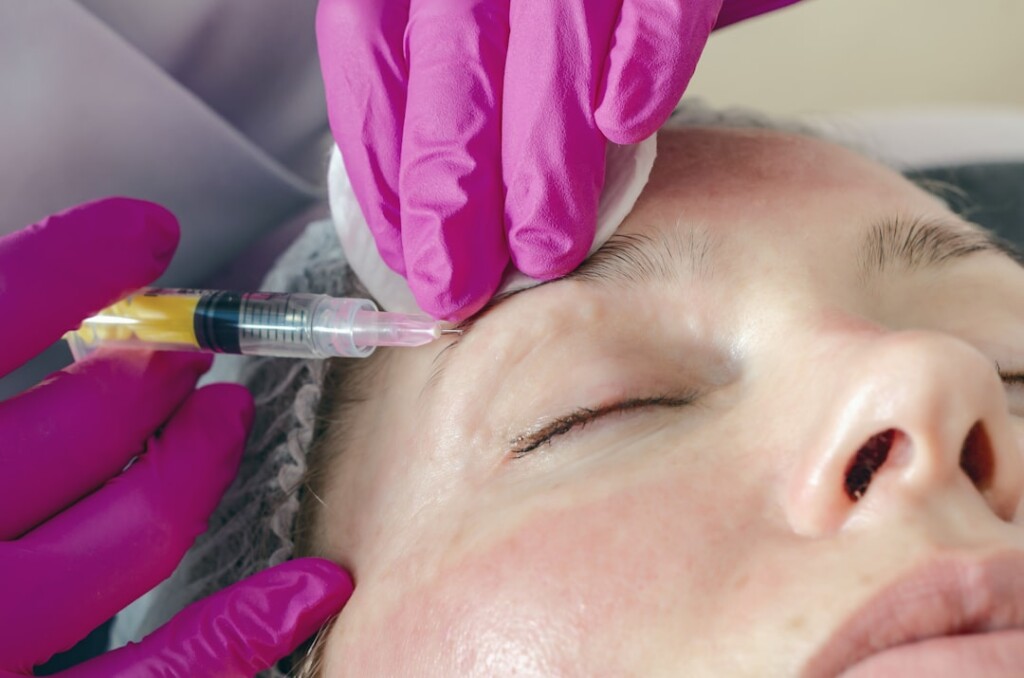
The same product can last dramatically different durations depending on where it is placed. Treatment area affects longevity through three main mechanisms: the degree of muscle movement over the filler, the depth of placement, and the vascular and metabolic activity of the surrounding tissue. Understanding these area-specific differences is essential for planning a maintenance timeline that makes sense for your face rather than a generic one.
Lips
Lips are the most metabolically active treatment area on the face. The orbicularis oris muscle surrounds the entire lip and is in constant motion during talking, eating, drinking, and facial expression. This mechanical activity accelerates the breakdown of hyaluronic acid filler through physical disruption and increased local blood flow. As a result, lip fillers typically last 6 to 9 months, and some patients notice gradual softening as early as 4 to 5 months.
The choice of product also matters here. Softer, less cross-linked HA fillers are preferred for the lips because they integrate smoothly into mobile, delicate tissue. That softer formulation is exactly what shortens longevity compared to a firmer product in a less mobile area. For patients who want to understand how subtle lip results are planned, our guide to natural lip fillers explains how product selection and placement strategy affect both the look and the durability of the result.
Cheeks and Midface
Cheek fillers tend to last longer than lip fillers because the midface is a deeper, less mobile area. When HA filler is placed in the deep fat compartments over the zygomatic bone, it is subject to less mechanical stress and sits in a region with more stable tissue architecture. Clinical reviews commonly report cheek filler longevity in the range of 9 to 12 months for most HA products, with firmer formulations lasting toward the upper end of that range.
The midface also benefits from a structural advantage. Restoring volume in the cheek can influence adjacent areas like the tear trough and nasolabial folds, meaning the perceived benefit may outlast the literal presence of the product. Our article on cheek fillers and midface balance explains how this lift effect works and why treating the cheek first sometimes gives a more natural, longer-lasting result than filling the fold directly.
Tear Trough and Under-Eye Area
The tear trough is a delicate, thin-skinned area where filler longevity sits in a moderate range. Published reviews and clinical experience commonly describe results lasting around 8 to 12 months, with some patients noting improvement for longer. The thin skin and the need for conservative volume in this area mean that the total amount of product placed is usually small, which can make the gradual loss less visually dramatic than in areas treated with larger volumes.
Anatomical assessment is especially important here. An under-eye hollow may actually be driven by midface descent rather than isolated tear trough volume loss, and treating the cheek first can give a more durable and natural result. Our tear trough filler guide covers the screening criteria and the situations where filler is not the right tool for under-eye concerns.
Chin
The chin is one of the longest-lasting areas for HA filler. It is a low-movement zone, and the filler is typically placed deep against the periosteum of the mandible, which provides a stable environment that resists metabolic breakdown. HA chin fillers commonly last 12 to 18 months. The chin also requires a firm, highly cohesive product, which means higher cross-linking density and greater resistance to hyaluronidase activity.
For patients considering chin augmentation, our chin filler guide covers how projection, proportion, and product selection interact, and why the chin is often planned alongside the jawline and midface rather than in isolation.
Jawline
Like the chin, the jawline is a structural, low-movement area that benefits from firm, cohesive products placed at depth. HA fillers in the jawline typically last 12 to 18 months, and Radiesse is also used in this area for its dual immediate-volume and collagen-stimulating mechanism. The pre-jowl sulcus, the hollow that can develop between the chin and the jowl, is another zone where structural filler tends to persist longer than in mobile areas.
Our article on non-surgical jawline contouring explains how filler and neurotoxin can be combined for lower-face definition, and how the sequence of treatment areas affects overall durability.
Lifestyle and Biological Factors That Affect Filler Duration

Beyond product and placement, several biological and lifestyle variables influence how quickly your body metabolizes filler. Some of these are fixed and cannot be changed. Others are modifiable, and understanding the difference helps you focus your energy on the factors that actually matter.
Metabolism and Hyaluronidase Activity
Every person has naturally occurring hyaluronidase in their tissue, the enzyme responsible for breaking down hyaluronic acid. The concentration and activity level of this enzyme varies between individuals, which is one reason two patients receiving the same product in the same area may experience different longevity. Patients with faster metabolic rates, whether due to genetics, thyroid function, or overall metabolic health, may metabolize HA filler more quickly. This is not something that can be changed through skincare or behavior, but it explains why your results may not match a friend’s exactly.
Muscle Activity and Movement
Mechanical stress is one of the most significant accelerators of filler breakdown. Areas with high muscle activity, like the lips and perioral region, break down filler faster than static areas like the chin or jawline. Every contraction of the underlying muscle physically compresses and distorts the gel, which promotes enzymatic degradation and lymphatic clearance. This is a fixed anatomical variable. You cannot reduce lip filler breakdown by talking or eating less, but you can plan for more frequent maintenance in high-movement areas and enjoy longer intervals in static ones.
Cross-Linking Density and Product Rheology
Product design directly affects longevity. Cross-linking density determines how tightly HA molecules are bound together, and a highly cross-linked product resists enzymatic breakdown more effectively. This is why firm, structural fillers last longer than soft, hydrating ones. Rheology, the study of how a material flows and deforms under pressure, also plays a role. A cohesive gel that holds its shape under pressure maintains its structural effect longer than a product that spreads diffusely into tissue.
Fahimeh selects each product based on the tissue quality, anatomical zone, and treatment goal, because the right rheology for a lip is wrong for a chin, and vice versa. A patient whose primary concern is hydration may receive a softer product that integrates beautifully but requires more frequent maintenance. A patient seeking structural projection in the chin benefits from a firmer product that lasts longer but would look unnatural in the lip. These are not interchangeable decisions.
Lifestyle Factors
Several lifestyle variables can influence how quickly your body metabolizes filler over time:
- High-intensity exercise may increase blood flow and metabolic rate, potentially accelerating filler breakdown. Moderate exercise is not a concern, but endurance athletes and those who train intensely may notice slightly shorter filler duration.
- Smoking is associated with accelerated skin aging and reduced collagen synthesis, which can undermine the long-term benefits of both HA fillers and collagen stimulators.
- Sun exposure without protection damages collagen and elastin over time, which affects the tissue scaffold that supports filler. UV damage does not break down the filler itself, but it degrades the environment the filler sits in.
- Hydration matters because hyaluronic acid is hydrophilic. Well-hydrated tissue supports the water-binding behavior of HA fillers, while chronically dehydrated skin may show less optimal integration.
- Stress and sleep affect cortisol levels, which in turn influence collagen metabolism and inflammatory responses that can affect how filler settles and persists.
How to Make Your Results Last Longer
While you cannot override your biology, several evidence-informed strategies can help extend the life of your filler results. The most effective approach combines disciplined aftercare, strategic maintenance timing, and a whole-face treatment philosophy that addresses structural causes rather than chasing isolated symptoms.
Follow your aftercare plan. The first 48 hours after treatment are when the filler integrates with surrounding tissue. Avoiding strenuous exercise, heat exposure, and pressure on the treated area during this window helps minimize swelling and displacement, which supports cleaner, more stable integration. Our aftercare guide covers the specific dos and don’ts that protect your investment in the critical early period.
Schedule maintenance strategically, not automatically. One of the most important principles Fahimeh follows is that top-ups should be purposeful, not scheduled on a fixed calendar. Rather than re-treating every six months by default, a follow-up assessment allows the injector to evaluate whether the filler has truly diminished or whether residual product is still providing structure. MRI studies have shown that HA filler can persist longer than the clinical timeline suggests, which means automatic re-treatment risks overfilling and creating the heavy, overdone look that most patients are specifically trying to avoid.
Protect your skin barrier. Daily sunscreen, adequate hydration, and a consistent skincare routine support the tissue environment around the filler. While these measures do not directly slow enzymatic breakdown, they preserve the collagen and elastin framework that gives filler its structural context. A face with healthy, well-supported tissue holds its result longer than one where the underlying scaffold is degrading.
Consider collagen-stimulating treatments for broader volume loss. If your primary concern is diffuse volume loss rather than a specific line or hollow, products like Sculptra may offer a longer-lasting approach than repeated HA treatments because they build your own collagen rather than depositing a temporary gel. This is a candidacy decision that depends on your anatomy and goals, and it is best made during consultation rather than assumed.
Treat the face as a system. Isolated treatment of a single concern often produces shorter-lived results than a coordinated plan that addresses the underlying structural cause. For example, treating the cheek before the tear trough can extend the perceived benefit of the under-eye correction because the midface support that drives the hollow is addressed at its source. This whole-face philosophy is central to how we approach treatment planning, and it is one of the reasons patients who start with a diagnostic consultation tend to achieve more stable, natural-looking results over time.
Is It Time for a Top-Up? Signs to Watch For
The decision to return for a top-up should be based on what you see in the mirror, not on a fixed timeline. Your face changes gradually, and the shift from “filler is still working” to “filler has faded enough to revisit” is usually a slow transition rather than a sudden change. Here are the signs that suggest a follow-up assessment is worth scheduling.
You notice the original concern gradually returning. The hollow, fold, or loss of definition that motivated your first treatment is becoming visible again, and the improvement you appreciated after treatment has visibly softened. This is the clearest signal that the product has metabolized enough to warrant reassessment.
You see asymmetry developing. One side may soften faster than the other, which is normal and common. Minor asymmetry can often be corrected with a small refinement rather than a full re-treatment.
You are approaching an event or milestone. If you have an important occasion and want to ensure your results look their best, scheduling an assessment a few weeks ahead gives time for any refinement to settle before the event. This is especially relevant for areas like the tear trough or lips, where post-treatment swelling can take a week or more to fully resolve.
It has been 8 to 12 months since your last HA treatment in a high-movement area like the lips, or 12 to 18 months for structural areas like the chin or jawline. These are general benchmarks, not rules. Some patients need less frequent maintenance, and others may benefit from a slightly earlier touch-up depending on their anatomy and goals. The only way to know for certain is a clinical assessment.
Equally important is knowing when to wait. If you are unsure whether the filler has truly worn off, or if you are considering a new area, a consultation is the right first step. Fahimeh will assess whether additional product is appropriate, whether a different area should be addressed first, or whether the most honest recommendation is to wait. Adding product to a face that still carries residual filler is one of the most common causes of the overdone look, and the willingness to say “not yet” is a clinical decision, not a hesitation.
If you are in the early stages of research or ready to discuss a maintenance plan, we welcome the conversation. Book a consultation with Fahimeh at FAH Signature Clinique to determine whether a top-up is the right next step for your goals. You may leave with a treatment plan, or with the honest answer that a different approach would serve you better. Either outcome is a valid clinical decision.
Frequently Asked Questions
How long do fillers last on average?
Most hyaluronic acid fillers last between 6 and 18 months, depending on the treatment area, product density, and your individual metabolism. Collagen-stimulating fillers like Sculptra can produce results lasting up to 24 months or longer.
Why does lip filler dissolve faster than cheek filler?
The lips are a highly mobile area with constant muscle activity from talking, eating, and expression. This mechanical stress accelerates the breakdown of hyaluronic acid filler. The cheek is a deeper, more stable area, which typically extends filler longevity.
Can exercise make filler dissolve faster?
High-intensity exercise may increase blood flow and metabolic rate, which can slightly accelerate filler breakdown over time. Moderate exercise is not a concern. Endurance athletes or those who train intensively may notice marginally shorter filler duration.
Does filler ever last longer than expected?
Yes. MRI studies have documented hyaluronic acid filler present months and sometimes years after injection. This is why follow-up assessments matter: automatic re-treatment on a fixed schedule risks overfilling when residual product is still providing structure.
Can I extend the life of my filler results?
You cannot override your individual metabolism, but following aftercare instructions, protecting your skin with sunscreen and hydration, scheduling maintenance based on assessment rather than a calendar, and treating structural causes rather than isolated symptoms can all help maximize the durability of your results.