

Building skin care routines by skin type is not about following trends or layering as many actives as possible. It is about matching ingredient mechanisms to what your skin biologically needs: barrier repair for dry skin, sebum regulation for oily skin, targeted hydration for combination zones, barrier-first simplicity for sensitive skin, and collagen-supporting actives for mature skin. Get the biology right, and the routine becomes far simpler than most people expect.
From an aesthetic injector’s perspective, what you do at home every day directly shapes the quality of the tissue we work with in-clinic. A well-maintained skin barrier responds better to treatments, heals faster, and holds results longer. A neglected or over-stripped barrier complicates everything. This is why we frame home skincare not as a separate concern from injectables, but as the foundation that makes in-clinic treatments more effective.
Why Your Skin Type Shapes Every Product and Treatment Decision
Your skin type is determined by two measurable biological factors: how much sebum your sebaceous glands produce, and how well your stratum corneum (the outermost skin layer) retains moisture. These two variables dictate which ingredients will help and which will irritate, how quickly your barrier recovers from stress, and how well your skin responds to both topical actives and in-clinic procedures.
The problem with generic skincare advice is that it ignores this biological variability. A routine that transforms dry skin can devastate sensitive skin. A product that balances oily skin can leave combination skin patchy and confused. Before choosing a single ingredient, you need to understand what your skin is actually doing at the cellular level, and why.
The Two Variables That Define Your Skin Type
Sebum production is genetically programmed and hormonally influenced. Your sebaceous glands, concentrated in the T-zone (forehead, nose, chin), produce more oil in some people than others, and that output shifts with age, hormones, climate, and stress. High sebum production defines oily skin. Low production defines dry skin. Mixed production across different facial zones defines combination skin.
Barrier function, the second variable, refers to the stratum corneum’s ability to prevent water loss and block irritants. A healthy barrier relies on a precise ratio of ceramides (about 50% of the lipid matrix), cholesterol (25%), and free fatty acids (15%). When this ratio is disrupted by harsh cleansing, over-exfoliation, aging, or environmental damage, transepidermal water loss (TEWL) increases, and the skin becomes dry, reactive, or both. Sensitive skin is often barrier-impaired skin, regardless of sebum levels.
Why Mismatched Routines Backfire Biologically
When you apply heavy occlusive creams to oily skin, you trap sebum beneath a lipid layer that the skin does not need, creating an environment where Cutibacterium acnes (the bacteria behind acne) thrives. When you use stripping cleansers on dry skin, you dissolve the already-thin lipid matrix that the barrier depends on, accelerating water loss and triggering inflammation. Every product choice either supports or undermines the specific biology of your skin type, and getting it wrong does not just fail to help, it actively works against you.
Dry Skin Routines: Restoring Barrier Function and Lasting Hydration
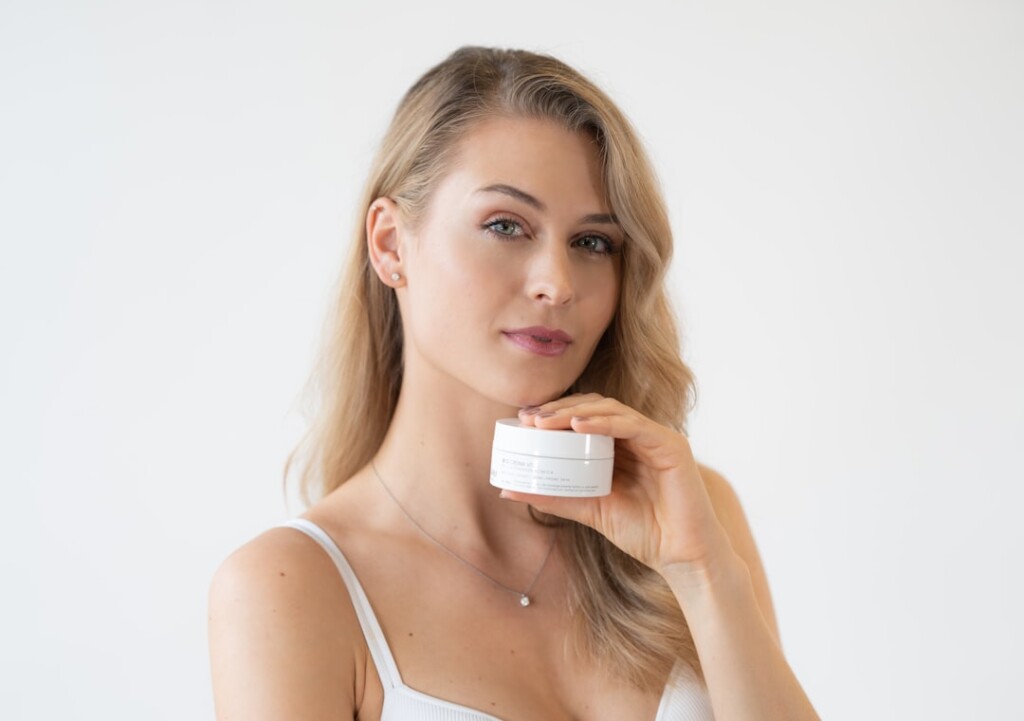
Dry skin lacks sufficient sebum to hold moisture in the stratum corneum, and over time, the barrier’s lipid matrix becomes depleted. The goal is not to drown the skin in heavy creams but to rebuild the lipid barrier with biologically matched ingredients so the skin can hold its own hydration.
The Biological Problem: Lipid Depletion and Transepidermal Water Loss
Dry skin is fundamentally a lipid deficiency. When ceramide, cholesterol, and fatty acid levels in the stratum corneum drop, the “mortar” between skin cells becomes permeable, and water evaporates through the barrier faster than it can be replenished. This is why dry skin feels tight after cleansing, looks dull due to poor light reflection from an irregular surface, and develops fine lines more readily in low-humidity environments. The tightness is not a sign your skin needs more product, it is a sign the barrier is compromised.
Key Ingredients and Why They Work
Ceramides are the single most important ingredient for dry skin because they directly replace the lipids the barrier has lost. A moisturizer containing ceramides, cholesterol, and fatty acids in a ratio approximating the skin’s natural 3:1:1 composition does not just sit on the surface, it integrates into the lipid matrix and restores function. Look for products that list ceramides (often as ceramide NP, AP, or EOP) in the first several ingredients, not buried at the bottom of the list.
Hyaluronic acid is a humectant that attracts and holds up to 1,000 times its weight in water. Applied to damp skin, it draws moisture into the stratum corneum. But hyaluronic acid alone is not enough for dry skin because it does not seal that moisture in. It must be followed by a lipid-rich moisturizer or facial oil that prevents evaporation. Using hyaluronic acid on dry skin without an occlusive layer on top can actually worsen dryness by pulling water from deeper layers and letting it escape.
Squalane, a lightweight oil that mimics the skin’s natural sebum, is an excellent second layer for dry skin. It is non-comedogenic, absorbs well, and reinforces the lipid barrier without heaviness. For severely dry skin, layering a squalane oil over a ceramide moisturizer creates a two-tier system: the moisturizer repairs the barrier, and the oil seals it.
What to Avoid
Avoid foaming cleansers containing sodium lauryl sulfate (SLS) or sodium laureth sulfate (SLES). These surfactants strip the lipid barrier aggressively and are one of the most common causes of self-inflicted dry skin. A cream or balm cleanser that does not foam is gentler and preserves the barrier’s lipid layer. Avoid hot water, which dissolves skin lipids more readily than lukewarm water. And avoid alcohol-based toners, which evaporate quickly and pull moisture with them.
Oily and Acne-Prone Skin Routines: Balancing Without Over-Stripping
Oily skin produces excess sebum, which can clog pores, feed acne-causing bacteria, and create a shiny, textured surface. The instinct is to strip the oil away. That instinct is wrong. Stripping the barrier triggers a compensatory surge in sebum production, creating more oil, not less. The goal is regulation, not removal.
The Biological Problem: Sebum Overproduction and Follicular Plugging
Sebaceous glands in oily skin are highly responsive to androgens (male hormones present in both sexes), and they produce more sebum than the follicle can efficiently clear. When excess sebum mixes with dead skin cells that have not shed properly (a process called follicular hyperkeratinization), the pore becomes blocked. Cutibacterium acnes thrives in this oxygen-deprived, lipid-rich environment, triggering the inflammatory cascade that produces red, painful acne lesions. The solution requires addressing sebum production, cell turnover, and the bacterial environment simultaneously.
Key Ingredients and Why They Work
Niacinamide (vitamin B3) at concentrations of 4-5% is one of the most clinically validated ingredients for oily skin. It reduces sebum production by downregulating the enzymes that synthesize lipids in the sebaceous gland, and it strengthens the barrier by stimulating ceramide production. This dual action is exactly what oily skin needs: less oil output and a stronger barrier that can tolerate active treatments without becoming reactive.
Salicylic acid (BHA) is a beta-hydroxy acid that is oil-soluble, meaning it penetrates into the pore itself rather than sitting on the surface. It dissolves the sebum-and-dead-cell plug that causes blackheads and whiteheads, and it has anti-inflammatory properties that reduce the redness associated with active breakouts. A 2% salicylic acid exfoliant used two to three times per week is sufficient for most oily skin types. Daily use can over-exfoliate and trigger the same compensatory oil surge that harsh cleansers cause.
Retinoids (retinol, retinaldehyde, or prescription tretinoin) address oily skin at the root by normalizing cell turnover. When skin cells shed at the proper rate, they do not accumulate in the follicle and create blockages. Retinoids also reduce sebum production over time. For oily skin that is also acne-prone, a retinoid at night combined with niacinamide in the morning is the evidence-based core of an effective routine. Start with a low concentration twice weekly and increase gradually to avoid the retinoid dermatitis (dryness, peeling, redness) that makes many people abandon the ingredient prematurely.
The Mistake That Repeats Itself: Over-Stripping
The most common mistake we see in patients with oily skin is the belief that oil-free means better. Oily skin still needs moisture. When you skip moisturizer, the barrier detects dehydration and signals the sebaceous glands to produce more oil to compensate. A lightweight, non-comedogenic gel moisturizer with niacinamide hydrates without clogging pores and actually helps reduce oiliness over time. For a deeper look at managing oily skin from a clinical perspective, explore our expert guide to skin care for every skin type.
Combination Skin: A Targeted, Zone-by-Zone Approach
Combination skin is biologically the most complex type to manage because it requires treating two different skin types on the same face simultaneously. The T-zone (forehead, nose, chin) behaves like oily skin, while the cheeks and jawline behave like dry or normal skin. A single uniform routine will over-treat one zone and under-treat the other.
Why Combination Skin Exists Anatomically
The density of sebaceous glands varies significantly across the face. The nose has the highest concentration, followed by the forehead and chin. The cheeks have far fewer glands, and the skin around the eyes is the sparsest. This is why the T-zone produces excess oil while the cheeks may feel dry or even flaky in the same climate, on the same day, in the same person. Combination skin is not a contradiction, it is a reflection of glandular anatomy.
Building a Zone-Aware Routine
The cleanser should be gentle enough for the cheeks but effective enough for the T-zone. A gel cleanser with mild surfactants (cocamidopropyl betaine or sodium cocoyl isethionate) strikes this balance. Follow with a niacinamide serum applied across the full face to regulate sebum in the T-zone without drying the cheeks. For moisturizer, use a lightweight gel on the T-zone and a slightly richer lotion on the cheeks if needed. This may mean two different moisturizers, and that is fine.
Salicylic acid exfoliation should be applied only to the T-zone, not the full face. Spot-treating the oily areas with BHA two to three times per week keeps pores clear without disrupting the barrier on the cheeks. Retinoids can be applied to the full face at a low concentration, as they benefit both zones: normalizing oil production in the T-zone and stimulating collagen in the cheeks.
Sensitive Skin Routines: Minimalist, Evidence-Based, and Barrier-First
Sensitive skin is not a single condition but a symptom of barrier dysfunction, immune hyper-reactivity, or both. The barrier lets irritants penetrate too easily, and the immune system over-responds to them. The solution is not to add calming ingredients but to remove triggers and rebuild the barrier so fewer irritants reach the immune cells in the first place.
The Biological Problem: Permeability and Immune Hyper-Reactivity
In sensitive skin, the stratum corneum is thinner or more permeable than in resilient skin, and the lipid matrix may be deficient in ceramides. This allows irritants (fragrances, preservatives, surfactants, even water-soluble actives at high concentrations) to penetrate past the barrier and reach the Langerhans cells, the immune sentinels of the epidermis. These cells trigger an inflammatory response: redness, stinging, burning, and sometimes visible flaking. The more the barrier is compromised, the lower the threshold for triggering this response.
Key Ingredients and Why They Work
Ceramides are the first-line ingredient for sensitive skin for the same reason they work for dry skin: they repair the lipid matrix that keeps irritants out. The difference is that sensitive skin needs them in a formulation with as few additional ingredients as possible. A ceramide cream with 10-15 ingredients is better than one with 30, because every additional ingredient is a potential trigger.
Centella asiatica (also called cica or tiger grass) is a botanical extract with strong clinical evidence for reducing inflammation and supporting barrier repair. Its active compounds, madecassoside and asiaticoside, modulate the inflammatory cytokines that cause redness and stinging. A centella-based serum or moisturizer is a good addition for sensitive skin that experiences frequent flare-ups.
Panthenol (provitamin B5) is a humectant and anti-inflammatory that soothes irritated skin and supports barrier repair. It is well-tolerated even by highly reactive skin and is commonly formulated in barrier-repair moisturizers alongside ceramides. Niacinamide at low concentrations (2-3%) can also help sensitive skin by strengthening the barrier, but higher concentrations (5%+) can cause flushing in some individuals.
What to Eliminate
Fragrance (listed as “parfum” or “fragrance”) is the most common trigger for sensitive skin reactions, including in products marketed as gentle or natural. Essential oils are not a safe alternative: they contain volatile compounds (linalool, limonene, eugenol) that are established contact allergens. Physical scrubs, alcohol-based products, and high-concentration acids should all be avoided. The most effective sensitive skin routine is often the shortest one: a gentle cleanser, a ceramide moisturizer, and sunscreen. Three products, done consistently, will outperform a ten-step routine that constantly re-triggers inflammation.
Mature and Aging Skin: Where Anti-Aging Ingredients Make the Most Impact
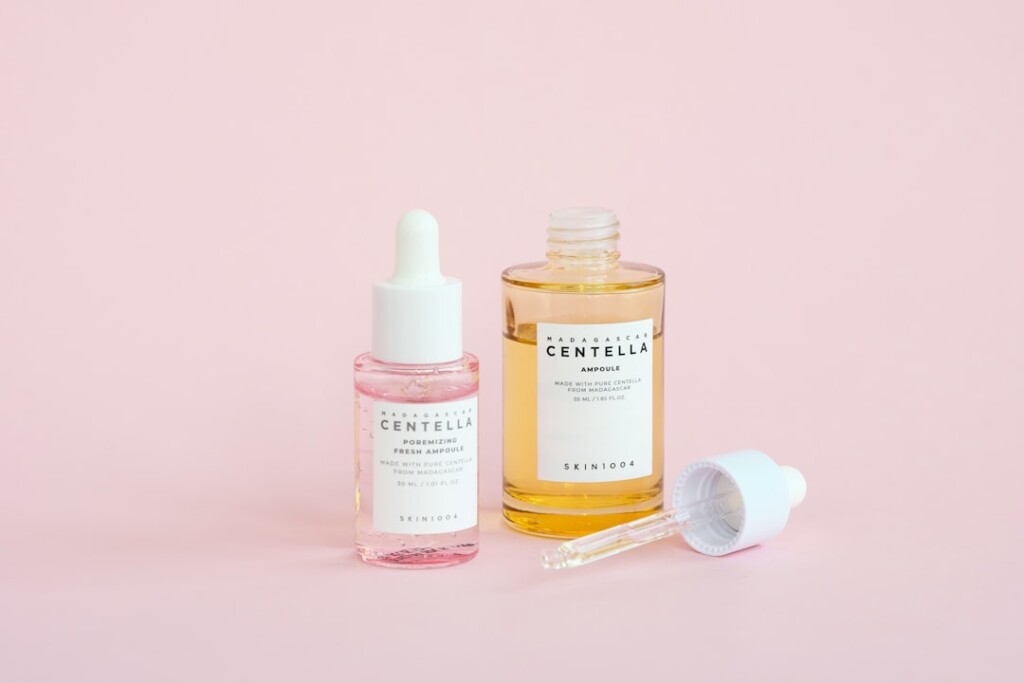
Mature skin changes are not just surface-level. The dermis thins as collagen and elastin production decline, the subcutaneous fat layer that provides youthful volume redistributes and diminishes, and the barrier itself becomes less efficient at retaining moisture. A home routine can address the dermal thinning and barrier decline but cannot replace lost volume or re-drape tissue that has descended. Knowing this distinction is essential for setting realistic expectations.
The Biological Problem: Collagen Decline and Dermal Thinning

After about age 25, collagen production decreases by approximately 1% per year. By the 50s, the dermis may have lost a significant portion of its collagen density compared to youth. This thinning is why mature skin bruises more easily, develops crepiness around the eyes and mouth, and shows deeper lines that were once only visible during movement (dynamic wrinkles) but are now visible at rest (static wrinkles). Elastin, which gives skin its ability to snap back, also degrades, contributing to the laxity that no topical product can fully reverse.
Retinoids: The Single Most Evidence-Supported Topical Anti-Aging Ingredient
Retinoids (vitamin A derivatives) are the most clinically validated topical ingredient for aging skin. They work by binding to retinoic acid receptors in the skin, which regulate genes involved in cell turnover, collagen synthesis, and melanin production. The result: increased collagen production in the dermis, faster shedding of pigmented surface cells, improved texture, and reduction of fine lines over months of consistent use. Tretinoin (prescription) has the strongest evidence, but over-the-counter retinaldehyde and encapsulated retinol deliver meaningful results with less irritation.
The key with retinoids is patience and gradual introduction. Start with a pea-sized amount twice weekly, applied to dry skin (never damp, which increases penetration and irritation). Increase frequency only when the skin tolerates the current level without redness or peeling. It takes 12-16 weeks to see visible improvement from retinoid use, and the best results come from years of consistent application. For patients who find topical retinoids too irritating, in-clinic treatments that stimulate collagen without daily topical application may be a better path.
Vitamin C, Peptides, and Sunscreen: The Supporting Cast
L-ascorbic acid (the most bioavailable form of vitamin C) at 10-20% concentration is a powerful antioxidant that neutralizes the free radicals generated by UV exposure and pollution. It also stimulates collagen synthesis and inhibits tyrosinase, the enzyme that produces melanin, making it effective for age spots and uneven pigmentation. Apply vitamin C in the morning under sunscreen, as it enhances UV protection and degrades in sunlight.
Peptides are short chains of amino acids that signal the skin to produce more collagen, elastin, or hyaluronic acid. Signal peptides (like matrixyl) and copper peptides have the most evidence, though the research is less robust than for retinoids. Peptides are a good addition for patients who cannot tolerate retinoids or who want a multi-mechanism approach, but they should not be relied upon as the primary anti-aging active.
Sunscreen is the single most important anti-aging product in any routine, for any skin type, at any age. UV radiation is responsible for approximately 80% of visible skin aging. Broad-spectrum SPF 30 or higher, applied every morning and reapplied during extended sun exposure, prevents more wrinkles, pigmentation, and collagen loss than any other product. Using retinoids and vitamin C without daily sunscreen is like building a house and leaving the roof open to rain.
Skin Type Comparison: Ingredients, Goals, and Clinical Limits
| Skin Type | Primary Biological Need | Core Ingredients | Key Avoidances | What Home Care Cannot Address |
|---|---|---|---|---|
| Dry | Rebuild lipid barrier, reduce TEWL | Ceramides, cholesterol, squalane, hyaluronic acid + occlusive layer | SLS/SLES cleansers, hot water, alcohol toners | Deep dehydration from within the dermis (skin boosters address this) |
| Oily / Acne-Prone | Regulate sebum, normalize cell turnover, reduce C. acnes | Niacinamide (4-5%), salicylic acid (2%), retinoids | Heavy occlusives, skipping moisturizer, over-exfoliation | Deep cystic acne scarring, persistent post-acne erythema |
| Combination | Zone-specific oil control and hydration | Niacinamide (full face), BHA (T-zone only), gel + lotion moisturizers | Uniform application of heavy or stripping products | Structural changes in one zone that need targeted in-clinic treatment |
| Sensitive | Repair barrier permeability, reduce immune reactivity | Ceramides, centella asiatica, panthenol, low-dose niacinamide | Fragrance, essential oils, high-concentration acids, physical scrubs | Underlying conditions (rosacea, eczema) requiring medical treatment |
| Mature / Aging | Stimulate collagen, protect from UV, support barrier | Retinoids, vitamin C (L-ascorbic acid), peptides, sunscreen, ceramides | Inconsistent use, skipping sunscreen, expecting topicals to restore volume | Volume loss, deep static wrinkles, tissue descent (requires fillers or biostimulators) |
Where Home Skincare Ends and In-Clinic Treatments Begin
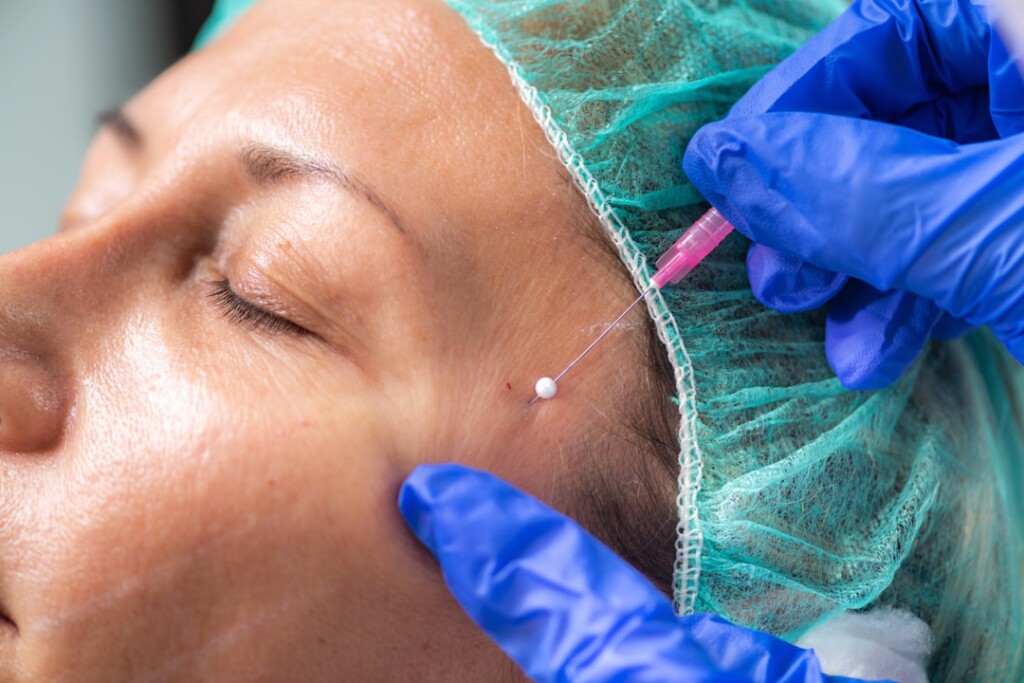
A well-structured home routine maintains the barrier, regulates sebum, protects against UV damage, and stimulates collagen at a modest rate. But it operates on the epidermis and the uppermost dermis. It cannot deliver actives deep enough to meaningfully rebuild dermal density, restore lost volume, or remodel tissue that has descended. That is where in-clinic treatments pick up, and understanding the boundary helps you invest your time and money where it actually produces results.
Skin Boosters: Deep Dermal Hydration Beyond What Topicals Can Reach
Skin boosters are micro-injections of hyaluronic acid delivered directly into the dermis, where topical products cannot penetrate. While a hyaluronic acid serum hydrates the stratum corneum (the surface), a skin booster places hyaluronic acid in the tissue layer where collagen and elastin live. This improves skin quality from within: elasticity, smoothness, and a plumpness that surface products cannot replicate. For dry and mature skin types in particular, skin boosters address the deep dehydration that no cream reaches. Learn more about how PRP for skin rejuvenation works alongside skin boosters to rebuild dermal tissue at a structural level.
Mesotherapy for the Face: Nutrient Delivery at the Dermal Level
Mesotherapy delivers a customized blend of vitamins, amino acids, hyaluronic acid, and other skin-supportive actives via micro-injections into the superficial dermis. Think of it as feeding the skin from inside the tissue rather than from the surface. Where a vitamin C serum can deliver antioxidants to the stratum corneum, mesotherapy delivers those same nutrients (and more) directly to the fibroblasts that produce collagen. For patients whose home routine has plateaued, whose skin looks dull despite consistent product use, or whose barrier absorbs actives too quickly to sustain results, mesotherapy bridges the gap between what you can do at home and what your skin actually needs at depth. Explore our mesotherapy treatment page for more detail on the procedure.
The Honest Boundary: What Topicals Will Never Do
No home routine, however well-built, can replace lost facial volume, re-drape tissue that has descended, or soften deep static wrinkles that have become etched into the dermis over years. These structural changes require volumetric and biostimulatory treatments: dermal fillers for volume, neuromodulators for dynamic muscle relaxation, and biostimulators like Sculptra for gradual collagen rebuilding. A patient who expects their retinol to fix midface volume loss will be disappointed for years before realizing the tool was wrong for the problem.
This is why the consultation is a diagnostic conversation, not a sales step. The goal is to identify what is actually happening anatomically, separate what home skincare can address from what requires in-clinic intervention, and build a plan that uses each tool for what it does best. Sometimes the most honest recommendation is to optimize the home routine first and defer treatment. For more on what to expect from in-clinic procedures, our aftercare guide for cosmetic procedures covers how home skincare and clinical treatments work together during recovery.
Build a Routine That Works With Your Skin and Your Goals
The most effective skin care routine is not the most elaborate one. It is the one that matches your skin’s biology, uses ingredients with mechanisms that address your specific needs, and is consistent enough to let those ingredients do their work over months rather than days. Whether you are a prevention-minded professional optimizing your skin between treatments or someone navigating the first signs of structural change, the same principle applies: understand the biology, choose the right tools, and know where home care ends and clinical treatments begin.
If you are in the early stages of research or ready to discuss a treatment plan, we welcome the conversation. Book a consultation with Fahimeh at FAH Signature Clinique, and leave with a clearer, safer, more confident understanding of your options. The consultation is a diagnostic conversation, not a commitment to treatment. Sometimes the recommendation is to adjust your home routine and return in six months. That restraint is part of a safe practice, and it is one of the clearest signs your injector is prioritizing your outcome over the volume sold.
Frequently Asked Questions
How do I know my skin type if it keeps changing?
Skin type is determined by your baseline sebum production and barrier function, not by temporary fluctuations. Wash your face, wait 30 minutes without applying anything, and observe: tightness and flaking indicate dry skin, shine across the whole face indicates oily skin, shine in the T-zone only suggests combination skin, and redness or stinging points to sensitive skin. Seasonal changes, hormones, and new products can shift how your skin behaves temporarily, but your underlying type stays relatively stable.
Can I use retinoids if I have sensitive skin?
Yes, but the approach matters. Start with a low-concentration retinaldehyde or encapsulated retinol applied twice a week, layered over moisturizer to buffer penetration. Avoid retinyl esters if you want meaningful results, as they are too weak for most patients. If irritation persists despite gradual introduction, a better option may be bakuchiol or skipping retinoids entirely in favour of in-clinic treatments that do not require daily topical application.
What is the difference between niacinamide and hyaluronic acid?
Niacinamide is a water-soluble vitamin (B3) that regulates sebum production, strengthens the skin barrier by stimulating ceramide synthesis, and reduces redness and pigmentation. Hyaluronic acid is a humectant that attracts and holds water in the skin, providing immediate but temporary hydration. They serve different functions and can be used together: niacinamide for barrier and oil control, hyaluronic acid for surface hydration.
When should I stop adjusting my home routine and see a professional?
If you have been consistent with a well-structured routine for three to six months and are still bothered by texture, dullness, fine lines, or volume changes, a consultation can help identify whether the issue is something home skincare can address or whether it requires in-clinic treatment. Persistent concerns like dermal thinning, volume loss, and structural changes are not solvable with topical products alone.
Can in-clinic treatments replace my home skincare routine?
No. In-clinic treatments like skin boosters, mesotherapy, and PRP work at the dermal level to improve tissue quality, but they do not replace daily barrier maintenance, sun protection, and sebum regulation. Think of home skincare as the foundation and in-clinic treatments as targeted interventions that build on that foundation. Skipping one compromises the results of the other.