

Skin rejuvenation treatments work by triggering measurable biological changes in your dermis, not by masking what you see in the mirror. Your skin changes because support declines at several levels at once: collagen production slows, hyaluronic acid stores diminish, microcirculation becomes less efficient, and the extracellular matrix thins. No single treatment addresses all of these processes, which is why a thoughtful approach layers different modalities based on what is actually happening beneath the surface.
Frequently Asked Questions
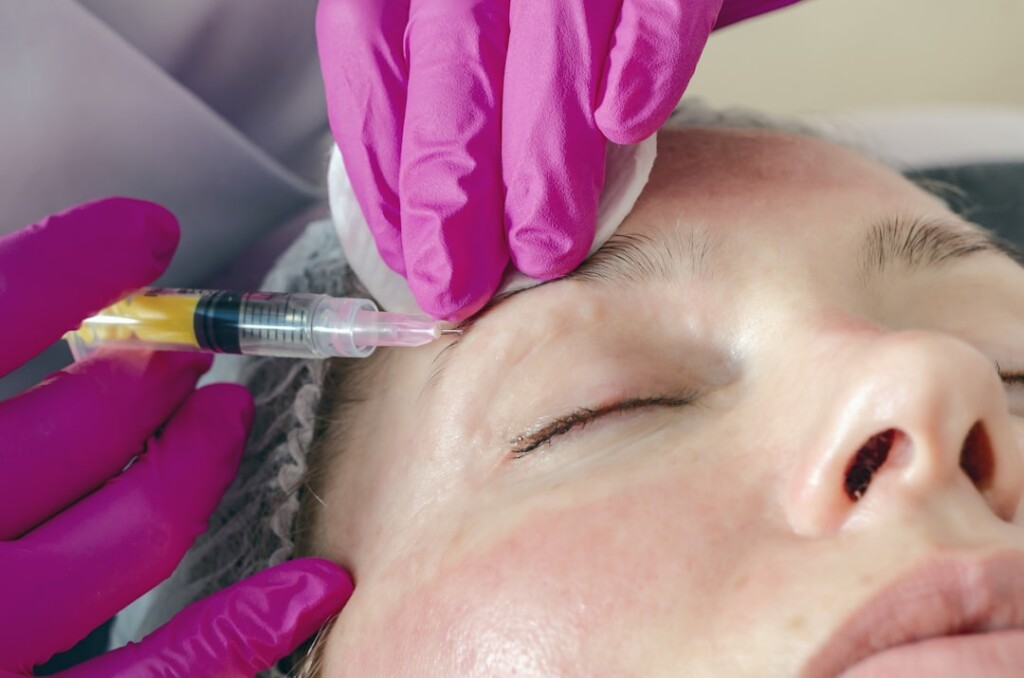
How long do skin rejuvenation treatments last?
Most skin rejuvenation treatments are not permanent because they stimulate biological processes rather than depositing a permanent substance. Results from PRP and microneedling typically last 6 to 12 months before maintenance is needed. Mesotherapy and skin boosters are usually maintained every 3 to 6 months. Sculptra produces collagen that can last up to two years or more. Your individual timeline depends on age, skin condition, sun exposure, and treatment combinations.
Can PRP, mesotherapy, and microneedling be combined in the same session?
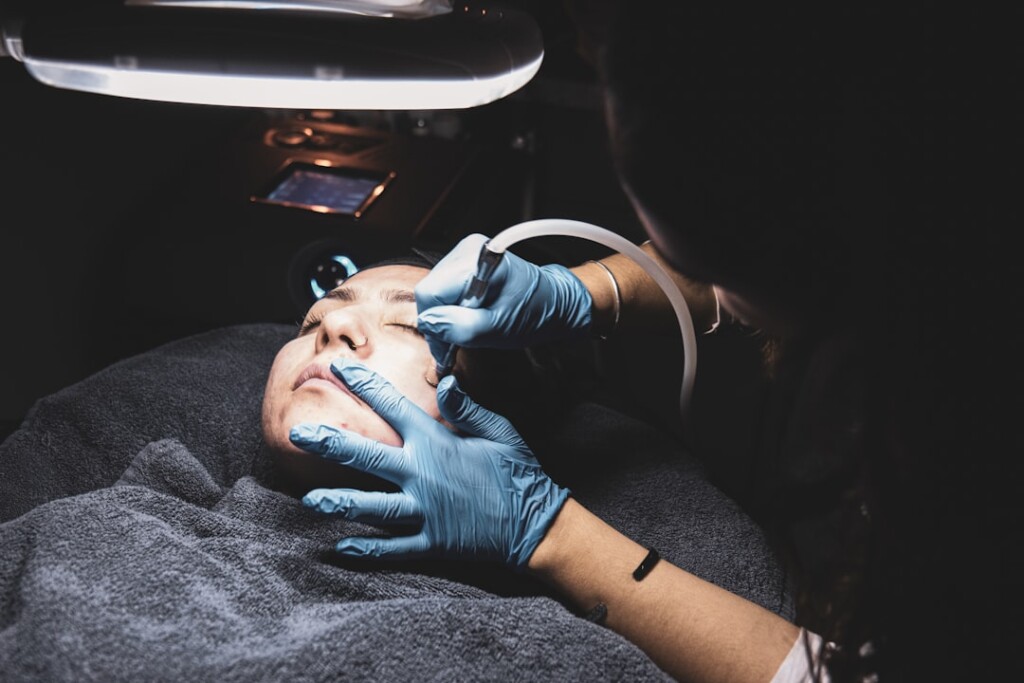
Many treatments produce complementary effects and can be combined in a single session or a staged protocol. The most evidence-supported combination is PRP with microneedling, which allows growth factors to penetrate more deeply. Mesotherapy and PRP are also frequently paired because they address different layers of skin quality. The specific combination should be determined during a consultation based on your skin condition and goals.
Which skin rejuvenation treatment is best for someone in their 30s versus their 50s?
Patients in their 30s with mild concerns often respond well to mesotherapy, skin boosters, or microneedling because their dermis still has adequate structural support. Patients in their 50s with more advanced changes often need Sculptra or biostimulators to rebuild lost volume before tissue-quality treatments like PRP and mesotherapy can deliver their best results. The right treatment depends on what is happening in your skin biologically, not on age alone.
Are biostimulators like Sculptra safer than PRP?
Biostimulators like Sculptra add volume through collagen production and are suited for patients with actual volume loss. PRP is entirely autologous and works through growth factor signalling without adding volume, making it better for patients whose concern is skin quality rather than lost structure. A consultation can determine which mechanism addresses your specific anatomy.
How do I know if a clinician will recommend the right treatment and not just sell me something?

A first consultation should feel more like a diagnostic conversation than a sales appointment. The practitioner should examine your skin, discuss what you have noticed changing, explain the biological cause, and recommend a treatment plan proportionate to your concerns. You should leave with clarity about what is happening in your skin and what options are genuinely available, even if the answer is that no treatment is needed yet.