

The core difference in the mesotherapy vs microneedling for skin conversation comes down to one question: are you trying to deliver something into the skin, or are you trying to make the skin rebuild itself? Mesotherapy injects a customized cocktail of vitamins, hyaluronic acid, amino acids, and peptides directly into the dermis, where those compounds can influence cellular function. Microneedling creates thousands of controlled micro-injuries in the skin to trigger a wound-healing cascade that stimulates collagen and elastin production. Both improve skin quality, but they get there through fundamentally different biological pathways, and understanding that distinction is what helps you choose the right one for your specific concern.
For patients who have moved beyond topical skincare and are evaluating their next step, both treatments occupy a useful middle ground. They are more targeted than anything you can apply at home, less invasive than fillers or laser resurfacing, and they work through biological stimulation rather than volume replacement. But they are not interchangeable, and choosing between them, or deciding to combine them, depends on what is actually happening in your skin at a cellular level. If you are already familiar with mesotherapy from our broader guide on mesotherapy for skin hydration and hair restoration, this article goes deeper into how it compares specifically to microneedling.
The Core Difference: Delivery vs. Controlled Injury
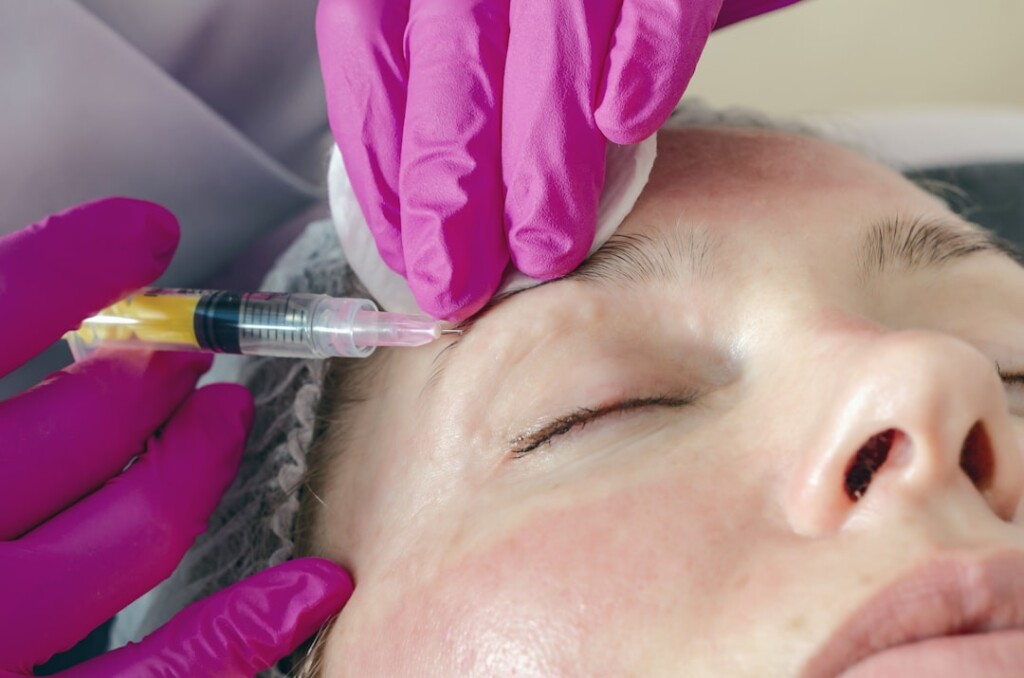
Mesotherapy is a delivery system. Its primary purpose is to place active compounds below the epidermal barrier, directly into the dermal layer where fibroblasts, blood vessels, and the extracellular matrix reside. The stratum corneum, the outermost layer of the skin, is designed by evolution to keep things out. It is a brick-and-mortar structure of corneocytes embedded in a lipid matrix that blocks most water-soluble molecules from reaching deeper tissue. This is why even well-formulated topical serums containing hyaluronic acid, vitamins, or peptides have limited penetration: the active molecules are too large or too hydrophilic to cross the barrier in therapeutically meaningful concentrations. Mesotherapy bypasses that barrier entirely using a fine needle, typically 30 to 32 gauge, to deposit small volumes of a customized solution at a controlled depth of 1 to 4 millimetres.
Microneedling, by contrast, is a stimulation system. It uses a device fitted with fine needles, either a dermaroller or a motorized pen, to create thousands of precise micro-channels through the epidermis and into the superficial dermis. These micro-channels do not deliver anything. Instead, they trigger a controlled injury response: platelets aggregate at each puncture site, growth factors are released, and fibroblasts are recruited to produce new collagen and elastin. The skin perceives the needle punctures as micro-wounds and responds by rebuilding the tissue around them. The channels also temporarily increase the permeability of the stratum corneum, which is why topical products are sometimes applied during or immediately after microneedling sessions, though this is a secondary benefit, not the primary mechanism.
Put simply: mesotherapy puts something into the skin that the skin cannot get there on its own. Microneedling makes the skin produce something it was producing less of. Both can improve hydration, texture, and tone, but the biological pathways are distinct, and that matters when you are trying to match a treatment to a specific concern.
How Mesotherapy Works on Skin
The Cocktail and What It Contains
A mesotherapy cocktail for facial skin is customized based on the patient’s concerns, but the core components fall into several functional categories. Non-crosslinked hyaluronic acid is the primary hydrating agent, delivering moisture-binding capacity directly into the dermis rather than relying on surface application. Vitamins, particularly vitamin C for collagen synthesis support and antioxidant protection, vitamin E for membrane stability, and B-complex vitamins for cellular energy metabolism, provide cofactors the skin needs but may not receive in adequate concentration through diet alone. Amino acids like glycine, proline, and lysine serve as the raw materials from which collagen and elastin are constructed. Peptides act as signalling molecules, instructing fibroblasts to increase collagen production and modulating melanocyte activity for pigment concerns. Antioxidants such as glutathione protect against oxidative stress and support enzymatic reactions within the skin.
The Injection Technique
Facial mesotherapy uses a series of small injections spaced approximately 1 centimetre apart across the treatment area. The depth is shallow, typically 1 to 2 millimetres for the face, targeting the superficial dermis. Common treatment areas include the face, neck, decolletage, and hands, all zones where skin thinning and dehydration become visible with age. A topical numbing cream is applied beforehand, and most patients describe the sensation as mild pinching rather than significant pain. The procedure itself takes 20 to 30 minutes depending on the area treated.
The injection trauma also contributes to the treatment effect. Each micro-injury initiates a localized healing cascade that stimulates fibroblast activity and increases local blood flow. The deposited active compounds then support and amplify this natural repair response. This dual mechanism, targeted nutrient delivery plus mechanical stimulation, is what distinguishes mesotherapy from purely mechanical treatments. The cocktail is doing biological work that the needle puncture alone would not achieve.
What Results to Expect
Patients may notice an immediate glow and subtle plumping in the days following a session, largely from the hyaluronic acid deposition and the micro-inflammatory response. The deeper, more durable improvements develop over weeks as fibroblasts respond to the nutrient supply. Over a course of 3 to 5 sessions spaced 2 to 4 weeks apart, most patients describe their skin as more hydrated, smoother, and more luminous. Fine lines may appear softened, not because volume has been added, but because the dermis is better supported and retains moisture more effectively. Maintenance sessions every 3 to 6 months sustain the dermal environment.
This is a tissue-quality treatment, not a volume treatment. It will not replace lost facial fat or re-drape lax skin. For patients whose primary concern is structural volume loss, collagen-stimulating treatments like Sculptra and other biostimulators may be more appropriate. Mesotherapy can, however, complement those treatments by improving the quality of the skin that overlies them.
How Microneedling Works on Skin
The Collagen Induction Mechanism
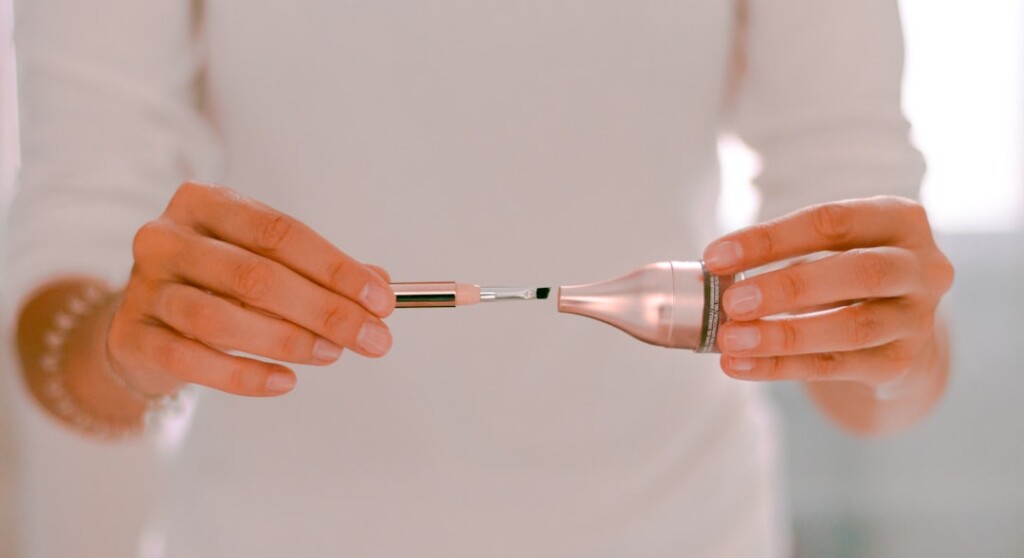
Microneedling, also called collagen induction therapy, works by creating a dense field of micro-punctures in the skin using a device with fine needles. When these needles penetrate the epidermis and reach the papillary dermis, they trigger a three-phase wound-healing response. In the first phase, inflammation, platelets and neutrophils migrate to the puncture sites, releasing growth factors including platelet-derived growth factor (PDGF) and transforming growth factor-beta (TGF-beta). In the second phase, proliferation, fibroblasts are recruited to the area and begin producing new collagen and elastin fibers. In the third phase, remodeling, the new collagen matrix matures and reorganizes, strengthening the dermal architecture over several weeks to months.
The depth of needle penetration is adjustable and determines which skin layer is targeted. Depths of 0.25 to 0.5 mm address the epidermis and are used for superficial concerns like texture and product absorption enhancement. Depths of 0.5 to 1.0 mm reach the papillary dermis and are used for fine lines, mild scarring, and pigmentation. Depths of 1.0 to 2.5 mm reach the reticular dermis and are used for deeper acne scars and more pronounced textural irregularities. The appropriate depth depends on the concern being treated and the thickness of the skin in the treatment area.
What Microneedling Does Not Do
Microneedling does not deliver active ingredients into the dermis in the way mesotherapy does. While the micro-channels temporarily increase stratum corneum permeability, and topical products applied during or after a session can penetrate more deeply than they would on intact skin, this enhanced absorption is variable and depends on molecule size, formulation, and the depth of needle penetration. It is not a reliable substitute for the precise, controlled deposition that mesotherapy achieves with a needle and syringe. If your primary goal is to get specific active compounds into the dermis, mesotherapy is the more direct route.
What Results to Expect
Microneedling results develop gradually because the collagen remodeling process takes weeks. After a session, the skin typically appears red for 1 to 3 days, similar to a mild sunburn. Some patients experience mild swelling for 24 to 48 hours. Within a week, the skin often looks smoother and more even-toned from the superficial healing response, but the deeper collagen-building benefits become visible over 4 to 8 weeks. Most treatment protocols involve 3 to 6 sessions spaced 4 to 6 weeks apart, with maintenance sessions every 6 to 12 months depending on the concern being addressed.
Microneedling is particularly effective for acne scarring, enlarged pores, stretch marks, and general textural improvement. It is less effective for deep hydration or nutrient delivery, because it does not deposit hydrating compounds. Patients whose primary concern is dullness and dehydration may find mesotherapy more directly addresses that issue.
Side-by-Side Comparison: Mechanism, Downtime & Ideal Candidate
The table below summarizes the key differences between the two treatments. Use it as a reference framework, not as a prescription. The right choice always depends on your individual skin condition, goals, and medical history, which is why a diagnostic consultation matters before any treatment plan is built.
| Parameter | Mesotherapy for Skin | Microneedling for Skin |
|---|---|---|
| Primary mechanism | Transdermal delivery of active compounds (vitamins, HA, peptides, amino acids) into the dermis via microinjections | Controlled dermal micro-injury triggering collagen induction and wound-healing cascade |
| What it delivers | Customized cocktail of biologically active ingredients placed directly in the target tissue | No active ingredients deposited; relies on the skin’s own repair response |
| Depth of treatment | 1 to 2 mm (facial protocol); 2 to 4 mm (scalp protocol) | 0.25 to 2.5 mm, adjustable based on concern and skin thickness |
| Downtime | Minimal: mild redness and small bumps at injection sites for a few hours to 24 hours | 1 to 3 days of redness resembling mild sunburn; possible mild swelling for 24 to 48 hours |
| Typical session count | 3 to 5 sessions for an initial course | 3 to 6 sessions for an initial course |
| Session spacing | Every 2 to 4 weeks | Every 4 to 6 weeks |
| Maintenance | Every 3 to 6 months | Every 6 to 12 months |
| Best for | Dull, dehydrated skin; early textural change; nutrient-deficient dermis; complementary to volume treatments | Acne scarring; enlarged pores; stretch marks; generalized textural improvement; pigment irregularities |
| Not ideal for | Deep acne scars; significant skin laxity; patients seeking structural volume | Deep dehydration; nutrient delivery; patients seeking direct compound deposition |
| Discomfort level | Mild pinching; topical numbing applied | Mild to moderate; topical numbing applied |
| Results timeline | Immediate glow within days; cumulative improvement over weeks | Gradual improvement over 4 to 8 weeks per session as collagen remodels |
One pattern worth noting: mesotherapy tends to produce faster visible improvement for hydration and radiance because the deposited hyaluronic acid acts immediately, not only through downstream collagen production. Microneedling’s benefits are almost entirely delayed, since they depend on the collagen remodeling process that unfolds over weeks. If your timeline is short and your concern is primarily dullness or dehydration, mesotherapy may produce visible change sooner. If your concern is texture, scarring, or pore size, microneedling is the more targeted tool.
Can You Combine Mesotherapy and Microneedling?

Yes, and for many patients the combination is more effective than either treatment alone. The two mechanisms are complementary rather than redundant: mesotherapy delivers active compounds into the dermis, while microneedling amplifies the skin’s own collagen production and increases dermal permeability. Used together, they address both the nutrient supply side and the tissue response side of skin quality.
How Combination Protocols Work
There are two main approaches to combining these treatments. The first is a sequential protocol, where microneedling and mesotherapy are performed in alternating sessions. A patient might have a mesotherapy session one week, followed by a microneedling session two to three weeks later, repeating the cycle over several months. This allows each treatment to exert its effect without interference and gives the skin time to respond between sessions.
The second approach is a combined-session protocol, where microneedling is performed first to open the micro-channels, and a mesotherapy cocktail is applied immediately afterward. The micro-channels created by the needles increase the penetration of the topical cocktail, allowing the active compounds to reach the dermis more effectively than they would on intact skin but less precisely than they would with direct injection. Some practitioners also perform mesotherapy injections first, followed by microneedling to further stimulate the tissue and distribute the deposited compounds. The specific sequencing depends on the practitioner’s approach, the patient’s skin condition, and the treatment goals.
When Combination Makes Sense
A combined approach is worth considering when a patient’s concerns span both hydration and texture. For example, a patient with dehydrated, dull skin who also has mild acne scarring or enlarged pores would benefit from the hydrating nutrient delivery of mesotherapy and the collagen-stimulating effect of microneedling. Neither treatment alone fully addresses both concerns, but together they cover the full scope of what that patient needs.
Combination protocols also pair well with other biostimulatory treatments. Patients who have completed a course of PRP for skin rejuvenation may benefit from mesotherapy to deliver complementary nutrients that PRP does not provide, or from microneedling to further amplify collagen production. The treatment plan should be built around the specific biology of your skin, not around a package that was designed for a generic patient.
What to Watch For
Combining treatments means combining recovery periods. If both are performed in the same session, expect redness and mild swelling that may last 2 to 3 days rather than the shorter downtime of either treatment alone. The skin barrier is also more temporarily compromised, which means diligent sun protection and gentle aftercare are non-negotiable for the first week. Patients with sensitive skin, active acne, rosacea, or a history of keloid scarring may not be ideal candidates for combination protocols, and that determination should be made during a consultation rather than assumed.
Which One Is Right for Your Skin Concern?
The decision between mesotherapy and microneedling is not a matter of one being better. They solve different problems, work through different biological pathways, and suit different skin conditions. The right question is not “which treatment?” but “what is actually happening in my skin, and which tool addresses that?”
Choose Mesotherapy If Your Primary Concern Is
Dull, dehydrated, or fatigued skin that lacks radiance. Early skin aging where the dermis is losing its nutrient density and moisture-binding capacity. Skin that looks thin and lacks the glow it had a few years ago, even with a consistent skincare routine. Mesotherapy addresses the supply side of this equation by delivering the compounds your fibroblasts need directly to where they work. If your concern is about nourishment and hydration rather than texture or scarring, this is the more direct approach.
Choose Microneedling If Your Primary Concern Is
Acne scarring, enlarged pores, stretch marks, or generalized textural irregularity. Skin that has lost smoothness and developed a rough or uneven surface. Pigmentation concerns like mild melasma or post-inflammatory hyperpigmentation, where the remodeling effect of collagen induction can help even out tone over time. Microneedling addresses the structure side of skin quality by forcing the dermis to rebuild itself. If your concern is about texture and surface architecture rather than hydration and nutrient density, this is the more targeted tool.
Consider Both If
Your concerns span both categories. Many patients in their late 30s to 50s present with a combination of dehydration, dullness, and early textural change, and neither treatment alone fully addresses the full picture. A staged plan that uses mesotherapy to restore dermal nourishment and microneedling to stimulate collagen production can cover more ground than either approach in isolation. The sequencing, spacing, and session count should be determined by your practitioner based on how your skin responds at each stage, not by a fixed template.
When Neither Is the Right Answer
Patients with significant skin laxity, where the primary issue is loose skin rather than dehydration or texture, may not see meaningful improvement from either treatment alone. In those cases, the honest recommendation may be that a different modality, or no treatment at all, would serve the patient better. Similarly, patients with active acne, rosacea in flare, or certain autoimmune skin conditions may need to defer treatment until the skin is stable. The willingness to say no when a treatment is not the right fit is one of the clearest signs your practitioner prioritizes outcome over volume sold. For patients also dealing with hair concerns alongside skin issues, our article on mesotherapy for hair explains how the same delivery system can be adapted for scalp treatment.
Fahimeh approaches each assessment with the goal of understanding what is actually happening in your skin before recommending any treatment. You may leave with a plan that includes mesotherapy, microneedling, a combination of both, or the honest answer that a different approach would serve you better. Either way, you will leave with clarity about what is happening and what options are genuinely available to you.
If you are in the early stages of research or ready to discuss a treatment plan, we welcome the conversation. Book a consultation with Fahimeh at FAH Signature Clinique to determine whether mesotherapy, microneedling, or a combined protocol is the right next step for your skin goals, or to leave with the honest answer that a different approach would serve you better.
Frequently Asked Questions
Is mesotherapy or microneedling more painful?
Both treatments are generally well tolerated with topical numbing. Mesotherapy involves a series of small injections that feel like mild pinching. Microneedling creates a vibrating or scratching sensation across the skin. Most patients describe both as manageable, not painful.
Can mesotherapy and microneedling be done in the same session?
Yes. A combined-session protocol can perform microneedling first to open micro-channels, then apply a mesotherapy cocktail to enhance penetration. Alternatively, mesotherapy injections can be followed by microneedling. Sequencing depends on your skin condition and goals.
How many sessions of mesotherapy or microneedling will I need?
Mesotherapy typically requires 3 to 5 sessions spaced 2 to 4 weeks apart. Microneedling typically requires 3 to 6 sessions spaced 4 to 6 weeks apart. The exact number depends on your skin condition and how your tissue responds.
Which treatment is better for acne scars?
Microneedling is the more targeted option for acne scarring because it stimulates collagen production in the scarred dermal tissue. Mesotherapy does not address the structural architecture of scarring as directly, though it can complement microneedling by improving overall skin quality.
Which treatment is better for dehydrated, dull skin?
Mesotherapy is the more direct approach for dehydration and dullness because it deposits hyaluronic acid and nutrients directly into the dermis. Microneedling can improve overall skin quality but does not deliver hydrating compounds in the same targeted way.