
If you are researching laser Montreal options, the most useful thing you can do before choosing a device is understand what each category actually does beneath the skin. Laser is not a single treatment. It is a family of technologies that use specific wavelengths of light to target specific chromophores, the molecules in your tissue that absorb that light. The right laser for sun damage is not the right laser for broken capillaries, and neither is the right tool for skin laxity. Matching the device to your biology is what produces a natural result. Choosing based on a brand name or a trend is what produces disappointment.
At FAH Signature Clinique on Nun’s Island, we approach laser and light-based treatments the same way we approach injectables: with an anatomy-first assessment, conservative planning, and the willingness to say no when a different modality would serve you better. This guide demystifies the main laser categories, sets realistic expectations for results and downtime, and explains how laser fits alongside non-laser treatments like microneedling, skin boosters, and injectable rejuvenation in a broader skin plan.
The Montreal Skin Landscape: Why Laser Demand Is Growing
Montreal patients seeking laser treatments are usually reacting to one of four concerns: sun damage accumulated over years, visible broken capillaries or diffuse redness, textural changes like enlarged pores or acne scarring, or early skin laxity that makes the face look less supported than it used to. What connects these concerns is that they all involve changes beneath the skin surface that topical skincare alone cannot reach.
Montreal’s climate amplifies certain skin issues. Long winters mean months of low humidity, indoor heating, and dry air, which strips the skin barrier and slows cell turnover. Patients often emerge in spring noticing that their skin looks duller, more uneven, and more textured than they remember. The cumulative effect of years of cold-weather cycling between dry indoor air and harsh outdoor conditions shows up as thinning, dehydration, and a loss of that luminous quality healthy skin has when it is well supported. Add the UV exposure from Montreal summers, and pigment irregularities, broken capillaries, and collagen degradation become visible concerns by the late 30s and 40s.
What has changed is that patients no longer assume they need surgery or aggressive resurfacing to address these issues. The growth in laser demand reflects a broader shift toward non-surgical, biology-driven skin treatments: devices that stimulate your own collagen, target pigment selectively, or close unwanted vessels without removing the skin surface. The appeal is precision. A well-chosen laser does something your skincare cannot, but a poorly chosen one does damage your skincare cannot fix. That distinction is why a diagnostic consultation matters more than a device menu.
Types of Laser Treatments and What Each One Does
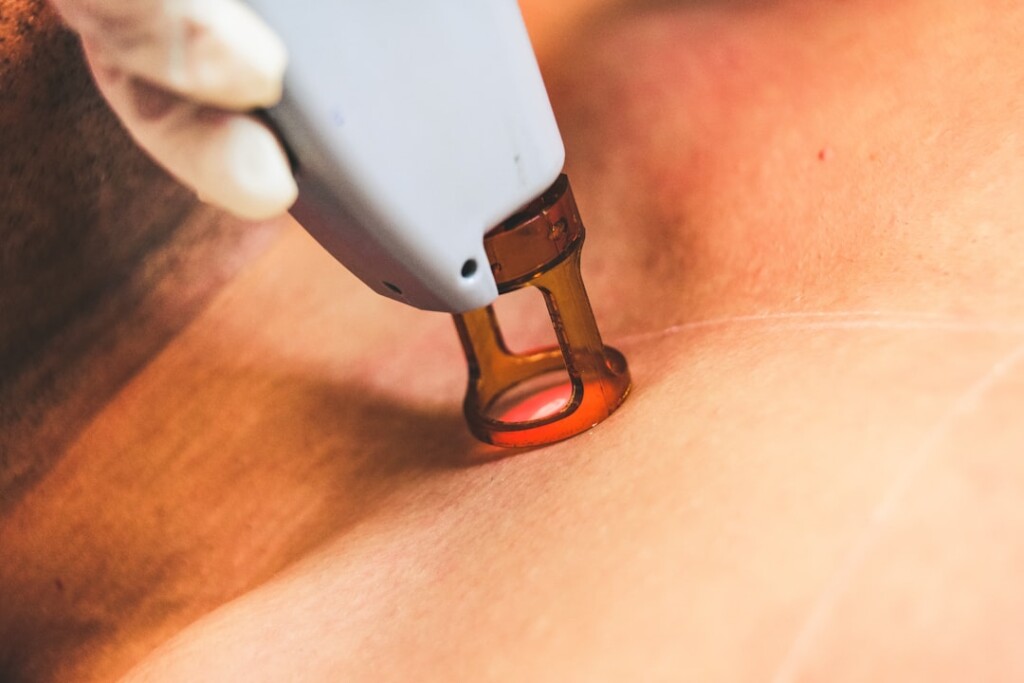
Laser devices are categorized by what they target beneath the skin. The four main categories are resurfacing, pigment correction, vascular, and skin tightening. Each uses a specific wavelength of light absorbed by a different chromophore, the molecule that captures that light energy and converts it to heat. Water, melanin, and hemoglobin are the three primary chromophores in skin. Which one a laser targets determines what it treats, how deep it goes, and what recovery looks like. This is why the right laser depends on your biology, not on marketing claims.
Laser Resurfacing: Ablative, Non-Ablative, and Fractional
Resurfacing lasers target water as their chromophore. Because water is the most abundant molecule in skin cells, these lasers can either vaporize the outer layer (ablative) or heat the deeper tissue while leaving the surface intact (non-ablative). The choice between them is a tradeoff between intensity and recovery.
Ablative lasers, such as CO2 and Er:YAG, remove the epidermis and heat the dermis to stimulate collagen production. They produce the most dramatic results for deep wrinkles, significant sun damage, and pronounced textural irregularity. The cost is recovery time: ablative resurfacing typically requires 7 to 14 days of healing, with redness that can persist for weeks or months. According to the Mayo Clinic, full-field ablative laser usually needs only one session, but the downtime is significant.
Non-ablative lasers heat the dermis to stimulate collagen without removing the epidermis. Recovery is short, often just hours of mild redness, but the results are subtler and multiple sessions are needed, typically 2 to 4 spaced over weeks or months. For patients who cannot accommodate significant downtime, non-ablative resurfacing offers a gentler path, though the tradeoff is patience.
Fractional technology changed the landscape by treating only a fraction of the skin surface in each session. Instead of removing or heating the entire treatment area, a fractional laser creates microscopic columns of thermal injury surrounded by untreated tissue. This allows faster healing because the intact skin between columns accelerates re-epithelialization. Fractional ablative lasers offer results approaching full-field ablative treatments but with a recovery of 5 to 10 days rather than weeks. Fractional non-ablative lasers further reduce downtime, often to 1 to 3 days, at the cost of requiring more sessions. As noted in StatPearls (NCBI), fractional delivery has become the widely preferred method because it maintains efficacy while reducing recovery and complication risk.
Pigment Correction Lasers and IPL
Pigment-targeting devices use wavelengths absorbed by melanin. The goal is to selectively heat pigment deposits, whether sun spots, freckles, melasma patches, or post-inflammatory hyperpigmentation, causing them to fragment and be cleared by the body’s immune system. Common devices include Q-switched Nd:YAG lasers (1064 nm), alexandrite lasers (755 nm), and picosecond lasers, which deliver ultra-short pulses that shatter pigment through a photomechanical effect rather than purely thermal energy.
Intense Pulsed Light (IPL) is not technically a laser. It delivers a broad spectrum of light rather than a single wavelength, which means it can target both melanin and hemoglobin in the same session. IPL is often chosen for diffuse redness, sun damage, and overall tone improvement. Per StatPearls (NCBI), IPL is effective for pigmented and vascular lesions but requires careful settings, especially in darker skin types, because the broad light spectrum increases the risk of post-inflammatory hyperpigmentation.
Pigment correction is one area where skin type matters enormously. Patients with Fitzpatrick skin types IV through VI (brown to deep brown skin) have higher melanin content, which means any light-based device carries a greater risk of causing hyperpigmentation or hypopigmentation. The Mayo Clinic specifically notes that people with brown or Black skin have a higher risk of long-term color changes from laser resurfacing and recommends seeking a practitioner experienced in selecting lasers for a range of skin tones. This is not a reason to avoid laser, but it is a reason to choose your practitioner carefully and to consider alternatives like radiofrequency microneedling, which does not target melanin.
Vascular Lasers
Vascular lasers target hemoglobin, the oxygen-carrying molecule in red blood cells. By heating the blood inside unwanted vessels, these lasers cause the vessel wall to collapse and be absorbed by the body over the following weeks. They are used for facial telangiectasia (broken capillaries), spider veins, rosacea-associated redness, cherry angiomas, and port wine stains.
The most common vascular lasers are the pulsed dye laser (PDL, 585 to 595 nm) and the KTP laser (532 nm). Both target oxyhemoglobin’s absorption peaks in the yellow-green range of light. Per European Society for Laser Dermatology guidelines, PDL and KTP lasers achieve 50 to 90% improvement in facial telangiectasia after 1 to 3 treatments, with PDL being the first-line choice for diffuse erythema and smaller vessels. For larger, deeper blue vessels, longer wavelength lasers like the Nd:YAG (1064 nm) are used because they penetrate more deeply and are absorbed by deoxyhemoglobin. The tradeoff is that longer wavelength vascular treatments can be more painful and carry a higher risk of side effects.
Vascular laser downtime is usually minimal: a few hours of redness and possible swelling. PDL treatments can cause purpura (bruising) that lasts several days, which is why some patients prefer KTP lasers when bruising is a concern. Multiple sessions are often needed for optimal results, spaced 4 to 6 weeks apart.
Skin Tightening Lasers and Energy-Based Devices
Skin tightening is the category where expectations need the most honest calibration. Lasers and energy-based devices can stimulate dermal collagen remodeling to produce firmer, slightly tighter skin, but they cannot replicate the results of a surgical lift. What they can do is improve mild to moderate laxity, refine skin texture, and support a more structured appearance over time.
Non-ablative lasers in the near-infrared range (such as 1064 nm and 1320 nm Nd:YAG) deliver heat to the deep dermis to trigger collagen contraction and neocollagenesis. Results are gradual, typically visible over 3 to 6 months, and may last 12 to 18 months or longer with maintenance. Multiple sessions are usually required.
Radiofrequency (RF) microneedling has emerged as a powerful alternative to laser tightening, particularly for patients with darker skin tones. RF microneedling delivers thermal energy through fine needles directly into the dermis, bypassing the epidermis entirely. Because it does not rely on light energy or target melanin, it carries a significantly lower risk of post-inflammatory hyperpigmentation. A randomized clinical trial comparing CO2 fractional laser to RF microneedling found that RF microneedling produced greater clinical improvement (approximately 73.8% vs 46.1%) and higher patient satisfaction, with a safety profile that extended comfortably across darker skin phototypes. This does not mean RF microneedling replaces laser for every patient, but it does mean that for laxity and textural concerns in melanin-rich skin, it may be the safer and more effective first choice.
What tightening devices cannot do is address structural volume loss. If your primary concern is that your cheeks have flattened or your midface has descended, the issue is fat and bone structure, not skin quality. In that case, collagen-stimulating treatments like Sculptra and biostimulators address the root cause more directly than any energy-based device.
| Category | Primary Target | Common Devices | Typical Concerns | Downtime | Sessions | Skin Tone Considerations |
|---|---|---|---|---|---|---|
| Ablative Resurfacing | Water (epidermis + dermis) | CO2, Er:YAG (full-field or fractional) | Deep wrinkles, severe sun damage, pronounced texture | 7 to 14 days (fractional: 5 to 10 days) | 1 to 2 (fractional: 2 to 3) | Higher PIH risk in darker skin types |
| Non-Ablative Resurfacing | Water (dermis only) | Erbium glass, Nd:YAG (non-ablative) | Fine lines, mild texture, early aging | Hours to 2 days | 2 to 4 | Moderate PIH risk; settings adjustable |
| Pigment Correction | Melanin | Q-switched Nd:YAG, alexandrite, picosecond, IPL | Sun spots, melasma, post-inflammatory hyperpigmentation | 1 to 3 days; pigment darkens before clearing | 1 to 4 | Higher PIH risk; picosecond and Nd:YAG safer for darker tones |
| Vascular | Hemoglobin | Pulsed dye (595 nm), KTP (532 nm), Nd:YAG (1064 nm) | Broken capillaries, rosacea redness, spider veins, cherry angiomas | Hours to 2 days; PDL may cause bruising for several days | 1 to 3 | Generally safe across skin types with correct settings |
| Skin Tightening | Water (deep dermis) | Non-ablative Nd:YAG, RF microneedling | Mild to moderate laxity, skin firmness | 1 to 3 days (RF microneedling) | 3 to 6 | RF microneedling safer for all skin tones; laser settings critical |
Laser vs. Non-Laser: When to Choose Which
Laser is one tool among several. Microneedling, mesotherapy, and injectable biostimulators each address skin concerns through different biological pathways. The right question is not “laser or not?” but “what is causing what I see, and which mechanism addresses that?” A patient whose primary concern is dehydration and dullness does not need a laser. A patient whose concern is broken capillaries does not need microneedling. Matching the mechanism to the biology is what separates a treatment plan from a shopping list.
When Laser Is the Right Tool
Laser is the right choice when the concern involves something light energy can specifically target and your skincare cannot reach. Sun spots that have not responded to topical brightening agents, broken capillaries that are visible at conversational distance, acne scarring that involves deep dermal structural change, and significant textural irregularity are all concerns where laser has a clear biological advantage. No amount of mesotherapy or microneedling will close a telangiectasia the way a vascular laser can. No injection will resurface a photodamaged epidermis the way a fractional ablative laser can.
When Non-Laser Is the Better First Step
If your primary concern is dull, dehydrated skin that has lost its radiance, the issue is dermal nutrient density and moisture-binding capacity, not pigment or vessel structure. Mesotherapy delivers hyaluronic acid, vitamins, amino acids, and peptides directly into the dermis where fibroblasts can use them, producing visible improvement in hydration and glow that laser cannot replicate through its mechanism. Laser stimulates collagen through thermal injury, but it does not deliver the raw materials your fibroblasts need to produce it.
If your concern is enlarged pores, mild acne scarring, or overall textural roughness without significant pigment issues, microneedling is often the more appropriate first choice. It stimulates collagen through controlled mechanical injury without using light energy, which makes it safe for all skin tones and carries minimal downtime. Our detailed comparison of mesotherapy vs microneedling breaks down how each works and when each is the better match.
If your concern is facial deflation, flattening cheeks, or a jawline that has softened, the issue is structural volume loss beneath the skin. No laser or energy-based device addresses that. Collagen-stimulating injectables like Sculptra rebuild the tissue scaffold over months, producing restoration that looks like your own face with better support. For a comprehensive breakdown of how these treatments work, our guide to collagen-stimulating treatments and biostimulators explains the biology and the timeline.
When Combination Makes Sense
The most effective treatment plans often combine laser with non-laser modalities, used at different times and targeting different layers. A patient might complete a series of laser sessions to address sun damage and broken capillaries, then follow with mesotherapy to restore dermal hydration and nutrient density in the newly resurfaced skin. Another patient might use Sculptra to rebuild midface volume over several months, then use fractional laser to refine surface texture once the structural foundation is in place.
The sequencing matters. Treating the structural layer first, then the surface layer, often produces more coherent results than treating the surface while the structure beneath it continues to change. This is the whole-face philosophy applied to skin: a concern that seems to live in the surface may actually reflect what is happening underneath, and addressing both in the right order produces harmony rather than conflict.
What to Expect: Consultations, Sessions, and Results Timelines
The Consultation: Diagnostic, Not Sales
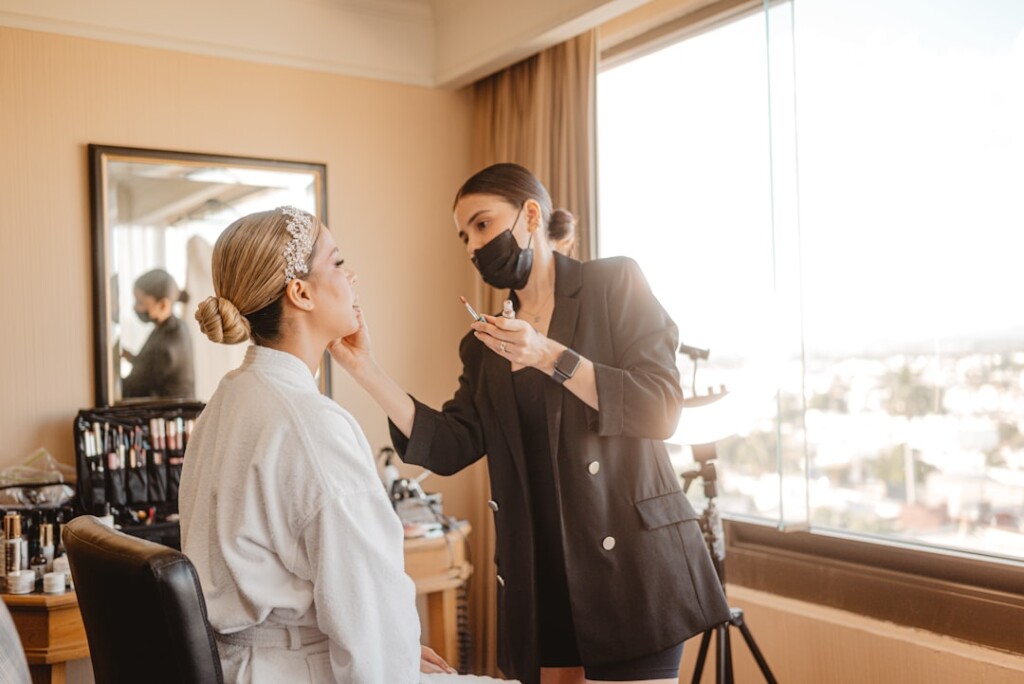
A laser consultation should feel like a diagnostic assessment, not a sales appointment. The goal is to identify what is actually happening in your skin before recommending any device. Fahimeh begins by asking what you are noticing, when it started, and what kind of result would feel right to you. Patients often say they want to look less tired, more even-toned, or more radiant, not “lasered” or obviously resurfaced. That language guides the plan toward subtlety rather than dramatic change.
From there, the assessment moves to skin analysis. Skin type on the Fitzpatrick scale, active conditions like rosacea or acne, medication history (particularly isotretinoin, which contraindicates laser for several months after discontinuation), tendency toward hyperpigmentation, and the specific depth and nature of your concerns all factor into which device, if any, is appropriate. This is also the moment when honest screening happens. Some patients are excellent laser candidates. Others are better served by microneedling, mesotherapy, injectables, or by optimizing their skincare routine first. That restraint is part of safe practice, and it is one of the clearest signs your practitioner prioritizes outcome over volume sold.
Sessions, Downtime, and Realistic Timelines
Laser treatment timelines vary significantly by category. Vascular and pigment treatments often show improvement after a single session, with full results after 1 to 3 sessions spaced 4 to 6 weeks apart. Non-ablative resurfacing typically requires 2 to 4 sessions, with gradual improvement visible over weeks as collagen remodeling unfolds. Fractional ablative resurfacing may achieve meaningful results in 1 to 2 sessions, but each session involves a week or more of recovery. Skin tightening devices, whether laser or RF microneedling, require 3 to 6 sessions with results building over 3 to 6 months.
Downtime is where expectations need the most honest management. Non-ablative and vascular treatments often allow same-day return to activities, with mild redness that fades in hours. Fractional ablative resurfacing involves 5 to 10 days of visible healing: redness, swelling, peeling, and a period where the skin looks worse before it looks better. Patients who schedule ablative laser too close to an event often regret it. The skin also needs diligent sun protection for weeks to months after any laser treatment, because the treated skin is more vulnerable to UV damage and post-inflammatory hyperpigmentation during the healing phase.
Results from laser are not permanent in the way surgical results can be. Your skin continues to age, accumulate sun exposure, and undergo biological changes. Pigment correction can be long-lasting if sun protection is maintained, but new spots can develop. Vascular treatments close existing vessels but do not prevent new ones from forming. Resurfacing results can last years, particularly with fractional ablative treatments, but maintenance sessions and consistent skincare extend the benefit. The most realistic framing is that laser resets the clock on specific concerns, and your ongoing habits determine how fast it runs again.
How Laser Fits Into a Broader Skin Rejuvenation Plan

Laser rarely works best in isolation. The most effective skin rejuvenation plans combine laser with complementary treatments that address different layers, different biological concerns, and different timelines. Think of it as architecture: the structure needs to be sound before the surface finish is applied, and the surface finish needs the right environment to hold.
A typical integrated plan might look like this: if volume loss is the primary structural concern, address it first with collagen-stimulating injectables or hyaluronic acid fillers to restore the foundation. Once the structure is stable, use laser to refine the surface: pigment correction for sun damage, vascular treatment for broken capillaries, or fractional resurfacing for texture. Then support the result with mesotherapy to maintain dermal hydration and nutrient density, and a clinical skincare routine that protects the investment.
The order matters because treatments interact. Laser resurfacing on skin that is dehydrated and nutrient-poor produces a longer, more uncomfortable recovery and a less impressive result. Mesotherapy before laser primes the dermis, improving its resilience and healing capacity. Injectables placed after aggressive resurfacing, once swelling has subsided, allow for more accurate placement because the anatomy has settled. These sequencing decisions are not generic. They depend on your skin’s condition, your timeline, and how your tissue responds at each stage.
This is also where the whole-face philosophy that guides our injectable practice extends to skin treatments. A concern that seems to live in the surface, like dullness or uneven tone, may partly reflect what is happening structurally beneath. A concern that seems purely structural, like a flattened cheek, may be exacerbated by skin that has lost its quality. Treating one layer without acknowledging the other is how patients end up with results that feel incomplete. The goal is coherence: a face where the surface, the structure, and the movement all feel like they belong to the same person.
If you are experiencing any of these skin concerns, our team at FAH Signature Clinique can help you determine which combination of laser and non-laser treatments is right for your skin type, timeline, and goals.
Book a consultation with Fahimeh at FAH Signature Clinique to explore whether laser treatment is the right next step for your skin, or whether a different approach, used alone or in combination, would serve you better. The consultation is a diagnostic conversation, not a commitment. You may leave with a treatment plan that includes laser, mesotherapy, microneedling, injectables, or simply a better skincare routine. Or you may leave with the honest answer that what you need is something other than what you came in asking about. Either way, you will leave with clarity about what is happening in your skin and what options are genuinely available to you.
Frequently Asked Questions
Is laser treatment safe for all skin types?
It depends on the device and the settings. Some lasers, particularly those targeting melanin for pigment correction, carry a higher risk of post-inflammatory hyperpigmentation in darker skin types (Fitzpatrick IV through VI). RF microneedling and certain longer wavelength lasers like Nd:YAG are generally safer for melanin-rich skin. A consultation that includes Fitzpatrick typing and skin analysis is essential before any laser treatment, and the right practitioner will recommend a non-laser alternative if the risk is not justified.
How many laser sessions will I need?
It varies by category. Vascular and pigment treatments often need 1 to 3 sessions. Non-ablative resurfacing typically requires 2 to 4 sessions. Fractional ablative resurfacing may need 1 to 2 sessions. Skin tightening devices usually require 3 to 6 sessions. The exact number depends on your skin condition, the severity of the concern, and how your tissue responds to each treatment.
What is the difference between laser and IPL?
A laser delivers a single, focused wavelength of light that targets one specific chromophore. IPL (Intense Pulsed Light) delivers a broad spectrum of light, meaning it can target multiple chromophores (melanin and hemoglobin) in the same session. IPL is versatile for diffuse concerns like overall tone and redness, but its broad spectrum increases the risk of complications in darker skin types. Lasers offer more precision for specific concerns.
Can laser treatment replace fillers or injectables?
No. Laser addresses skin surface and dermal quality concerns like pigment, vessels, texture, and mild laxity. It does not replace lost volume or restructure facial architecture. If your primary concern is flattened cheeks, hollow temples, or a softened jawline, the issue is structural volume loss that injectables like Sculptra or hyaluronic acid fillers address more directly. Many treatment plans use both: injectables for structure, laser for surface quality.
How long do laser results last?
Results are not permanent because your skin continues to age and accumulate environmental damage. Pigment correction can be long-lasting with consistent sun protection, but new spots may develop. Vascular treatments close existing vessels but do not prevent new ones. Resurfacing results can last years, particularly with ablative fractional treatments. Maintenance sessions and a clinical skincare routine extend the benefit. Think of laser as resetting the clock on specific concerns, with your ongoing habits determining how fast it advances again.